Every day, thousands of Nigerians get into their cars and head out without thinking twice about safety. Whether it’s a quick trip to work, school runs, or a long-distance journey, many drivers overlook simple checks that could save lives in an accident.
Road accidents are still a major problem in Nigeria. According to the World Health Organization (WHO) Global Status Report on Road Safety 2023, thousands of lives are lost yearly due to road traffic crashes. While not every accident can be avoided, many injuries and deaths can be reduced when drivers take safety seriously before even turning the ignition key.
The truth is simple: your car’s safety features can only protect you if they are used properly.
Before driving away, here are some important pre-drive safety checks every driver should make.
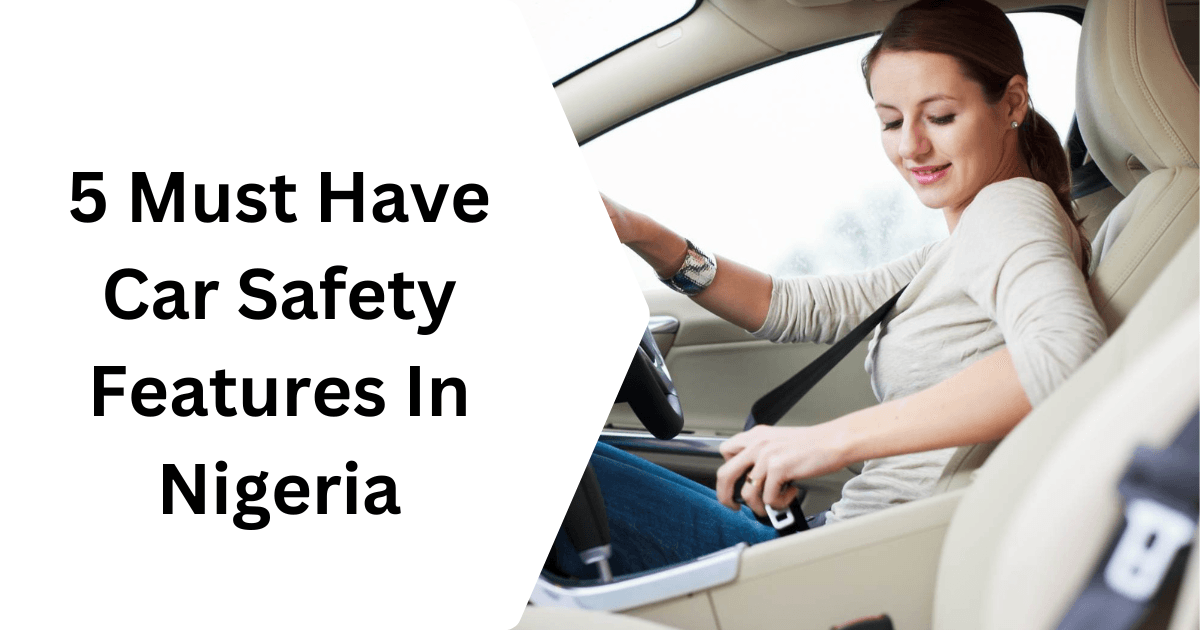
1. Make Sure Everyone Wears a Seat Belt
This may sound basic, but many people still ignore seat belts, especially during short trips.
Some passengers believe they only need seat belts on highways or during long journeys. Unfortunately, accidents can happen anywhere — even a few streets away from home.
Before moving your car:
- Check that every passenger is wearing a seat belt
- Ensure the seat belt is properly fastened
- Make sure children who no longer use child seats are still buckled correctly
Seat belts remain one of the most effective ways to reduce injuries during crashes.rs ignore seat belts during short trips or city driving. Regardless of the distance, wearing a seat belt should always be mandatory.
2. Properly Secure Infants and Young Children
Holding a child on your lap while driving is dangerous, no matter how careful you think you are.
Children should always be placed in properly installed child safety seats in the back seat of the vehicle. Child restraints are designed to protect young passengers during sudden stops or collisions.
If you travel often with children, regularly inspect the child seat to make sure it is still firmly secured.
A few minutes spent checking your child’s seat could make all the difference during an emergency.
3. Don’t Sit Too Close to the Steering Wheel
Many drivers in Nigeria sit too close to the steering wheel without realizing the danger involved.
During a collision, airbags deploy with serious force. If you are sitting too close, the airbag itself can cause severe injuries.
To stay safer:
- Sit upright
- Keep a comfortable distance from the steering wheel
- Adjust your seat so you can still control the vehicle properly
Good seating posture also improves visibility and reduces fatigue during long drives.ys suddenly during a crash. Experts recommend sitting as far back as comfortably possible while still maintaining full control of the vehicle.
4. Adjust Your Head Restraints Properly
Most people never pay attention to head restraints until an accident happens.
Poorly adjusted headrests can increase the risk of neck injuries during sudden impact.
Before driving:
- Ensure your seat is upright
- Adjust the head restraint to support the middle of your head
It takes only a few seconds, but it can help reduce serious neck and spinal injuries.
5. Check That All Doors Are Properly Closed
Driving with a poorly closed door can be risky, especially when children are in the car.
Always confirm that:
- All doors are fully shut
- Child safety locks are activated where necessary
- Passengers are seated properly before moving
This simple habit improves passenger safety and gives you peace of mind while driving.
6. Secure Bags, Boxes, and Other Loose Items
Many drivers don’t realize that loose objects inside a car can become dangerous during sudden braking or accidents.
A laptop bag, toolbox, or even groceries can fly across the vehicle during impact and injure passengers.
Before driving:
- Store heavy items properly
- Keep loose objects away from seats
- Use the boot or cargo area whenever possible
A tidy vehicle is not just more comfortable; it is safer too.
7. Quickly Inspect Your Vehicle Before Driving
Your car may look fine on the outside and still have hidden problems. Before starting any trip, take a quick look at:
- Tire condition and pressure
- Brake response
- Headlights and brake lights
- Fuel level
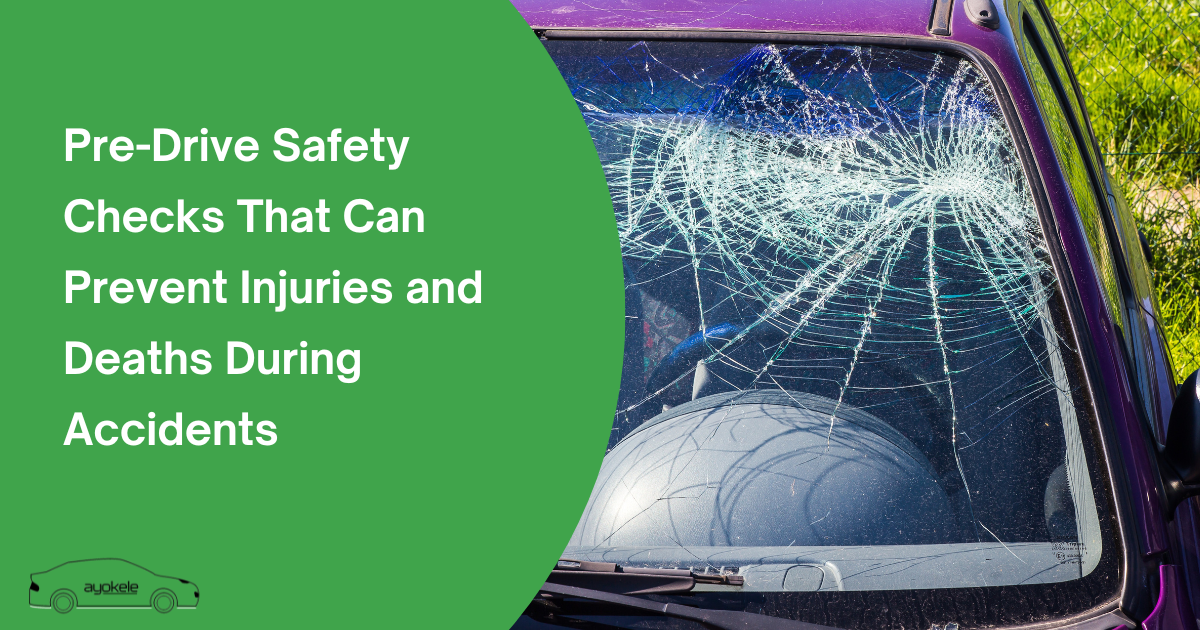
- Windshield visibility
- Dashboard warning lights
Driving a poorly maintained vehicle increases the likelihood of mechanical failure and accidents. Ignoring small vehicle problems today can lead to major accidents tomorrow.
Safe Driving Starts Before the Journey Begins
Many road accidents happen suddenly and without warning. While you may not be able to control every situation on the road, you can improve your chances of staying safe by preparing properly before driving.
Although no vehicle safety system can completely prevent injuries or deaths during severe crashes, proper use of safety features can greatly improve survival rates and reduce the severity of injuries.
Road safety begins before the engine starts. Those few extra minutes spent checking seat belts, child restraints, doors, tyres, and seating positions may seem small, but they can save lives when accidents happen.
Always remember: road safety is everyone’s responsibility. Safe driving is not just about reaching your destination, it is about ensuring everyone arrives alive.
Drive carefully. Stay alert. Save lives.