Here are a few important car safety precautions every driver should observe while using their vehicle.
To be honest, none of these tips are new. Most of us have heard them before, and some were even taught to us when we first learned how to drive. However, because we drive every day, it is easy to become too comfortable and start overlooking simple safety practices.
The truth is that many accidents and injuries happen not because people are unaware of safety rules, but because they fail to follow them consistently.
So consider this article a friendly reminder of some of the most important safety habits every driver should maintain whenever they get behind the wheel.
Always Wear Your Seat Belt
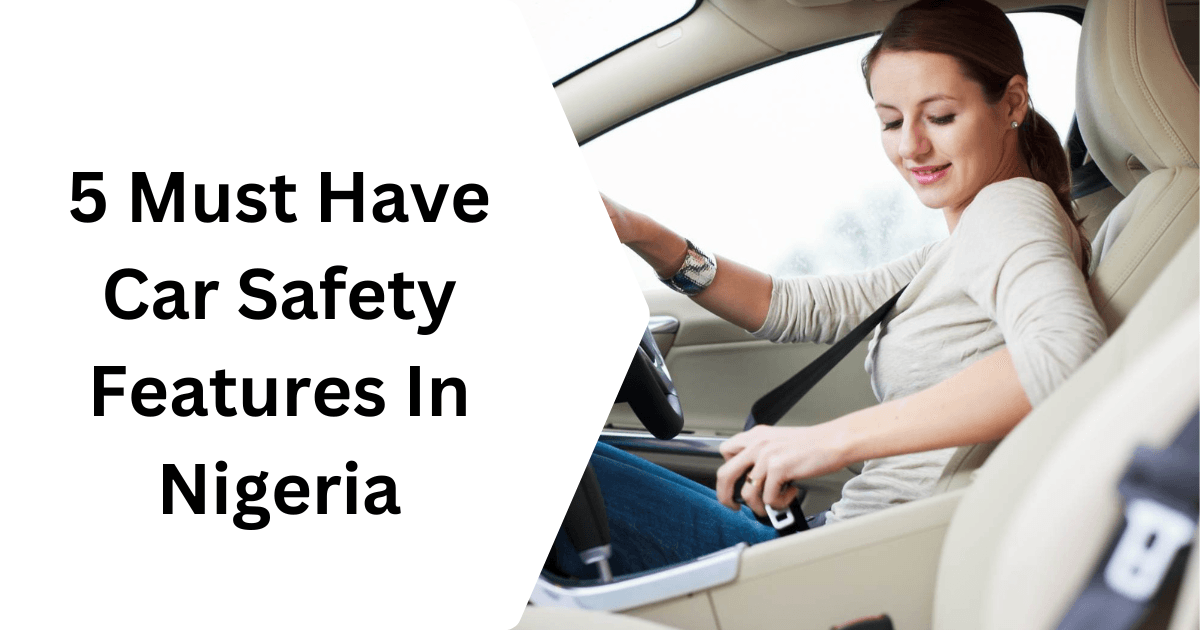
If there is one safety feature in your vehicle that you should never ignore, it is the seat belt.
Many drivers and passengers still make the mistake of assuming that seat belts are only necessary for long-distance travel or highway driving. Others believe that because their vehicle is equipped with airbags, wearing a seat belt is no longer important.
Nothing could be further from the truth.
A seat belt remains your first line of protection in almost every type of collision. Its job is to keep you securely in place and reduce the risk of being thrown forward or ejected from the vehicle during an accident.
Airbags are designed to work alongside seat belts, not replace them.
Before moving your vehicle, always ensure that:
- You are wearing your seat belt properly.
- Front-seat passengers are buckled up.
- Rear-seat passengers are also wearing their seat belts.
It takes only a few seconds to fasten a seat belt, but those few seconds can save a life.
Be Aware of Airbag Hazards
Airbags have saved countless lives over the years, but many people do not realize that they can also cause serious injuries if used incorrectly.
Airbags deploy with tremendous force during a collision. They are designed to protect vehicle occupants from striking the steering wheel, dashboard, or other hard surfaces.
However, if someone is sitting too close to an airbag when it deploys, the impact itself can cause severe injuries.
Those who are most vulnerable include:
- Infants
- Young children
- Short adults
- Passengers who are not properly restrained
Drivers should always maintain a comfortable distance from the steering wheel, while passengers should sit upright and avoid leaning too close to the dashboard.
Remember, airbags are designed to protect you when combined with proper seating position and seat belt use.
Properly Restrain All Children
When it comes to child safety, there should never be any shortcuts.
Many parents still allow young children to sit in the front seat or move freely around the vehicle while driving. Unfortunately, this can be extremely dangerous during sudden braking or a collision.
Children are safest when they are properly restrained in the back seat.
If a child is too small to use a regular seat belt safely, a suitable child safety seat should be used instead.
Child safety seats are designed to protect children according to their age, weight, and size. They significantly reduce the risk of serious injuries during accidents.
If you are unsure about the correct child restraint system for your vehicle, consult your owner’s manual or seek professional guidance.
Your child’s safety is worth the extra effort.
Don’t Drink and Drive
This is one safety rule that should never be negotiated.
Alcohol and driving simply do not mix.
Some people believe they can safely drive after “just one drink.” The problem is that alcohol affects judgment long before a driver begins to feel drunk.
Even a small amount of alcohol can:
- Reduce concentration
- Affect decision-making
- Slow reaction time
- Make it harder to respond to unexpected situations
Every additional drink increases the risk.
A driver who has consumed alcohol may not recognize danger quickly enough to avoid an accident.
If you plan to drink, make alternative transportation arrangements. Use a designated driver, a ride-hailing service, or public transportation where available.
And while you’re at it, don’t let your friends drink and drive either.
Do I have a witness in the house?
Control Your Speed
Speed remains one of the biggest contributors to road crashes worldwide.
Many drivers associate speeding with highway driving, but accidents can happen anywhere—on busy city roads, residential streets, or even familiar routes close to home.
The reality is simple: the faster a vehicle is moving, the less time a driver has to react to danger.
Higher speeds also increase:
- Stopping distance
- Impact force during collisions
- Risk of severe injuries
That said, safe driving is not just about obeying speed limits.
Road conditions, weather, traffic, visibility, and pedestrian activity should all influence how fast you drive.
A speed that feels safe on an open road may be dangerous during heavy rain or in congested traffic.
Always drive at a speed that is appropriate for the conditions around you.
Arriving a few minutes later is always better than not arriving at all.
Minimize the Use of Your Phone While Driving
Mobile phones have become an important part of modern life.
We use them for communication, navigation, work, entertainment, and almost everything else. Unfortunately, many people struggle to put them down even while driving.
The problem is that driving requires your full attention.
Every time you:
- Read a text message,
- Reply to a chat,
- Scroll through social media,
- Check notifications,
- Or make a call,
your attention shifts away from the road.
It only takes a few seconds of distraction for an accident to occur.
Many drivers believe they can quickly glance at their phones without consequences, but accidents often happen during those exact moments.
Whenever possible:
- Put your phone away before driving.
- Set navigation before starting your journey.
- Pull over safely if you need to make or answer a call.
No message is more important than your safety.
Conclusion
Most road accidents are not caused by a lack of knowledge. In many cases, they happen because people ignore simple safety habits they already know.
Wearing your seat belt, using child restraints correctly, maintaining a safe distance from airbags, avoiding alcohol, controlling your speed, and staying off your phone while driving may seem like small actions. However, these simple precautions can make a huge difference when it matters most.
The next time you get behind the wheel, take a moment to remember these safety tips. They protect not only you but also your passengers and everyone else sharing the road with you.
Drive responsibly, stay alert, and make safety a habit every time you travel.